Hindu weddings are multi-day celebrations where each ceremony requires specific musical treatment. Here's your complete guide.
Understanding Hindu Wedding Music
Hindu wedding music serves a dual purpose that few other genres demand: it must honor centuries-old spiritual traditions while simultaneously creating one of the most memorable parties your guests have ever attended. The challenge is that these two objectives require completely different approaches — devotional mantras during the ceremony and high-energy dance tracks at the reception — and the transitions between them must feel natural and respectful.
Each ceremony within a Hindu wedding has its own musical identity. The sacred rituals call for specific mantras, shlokas, and devotional tracks that the pandit may recite live or request to be played through the sound system. The social celebrations — mehndi, sangeet, cocktail hour, reception — demand a DJ who can read diverse crowds and build energy across genres and generations. Understanding which moments call for which approach is the foundation of great Hindu wedding entertainment.
Regional traditions add another layer of complexity. A North Indian Hindu wedding has different musical expectations than a South Indian, Gujarati, Bengali, or Marathi celebration. Even within North Indian weddings, Punjabi Hindu families may have different preferences than those from Uttar Pradesh or Rajasthan. A DJ who treats all Hindu weddings as musically identical will miss critical nuances that families notice and remember.
Pre-Wedding Events
The Mehndi ceremony is typically a daytime or early evening gathering where the bride and her close female friends and family have henna applied. The musical atmosphere should be light, warm, and celebratory — traditional mehndi songs in Hindi, folk tracks that older family members love, and contemporary Bollywood hits that keep the energy playful. Volume stays low enough for conversation, and the DJ provides background ambiance rather than commanding the room.
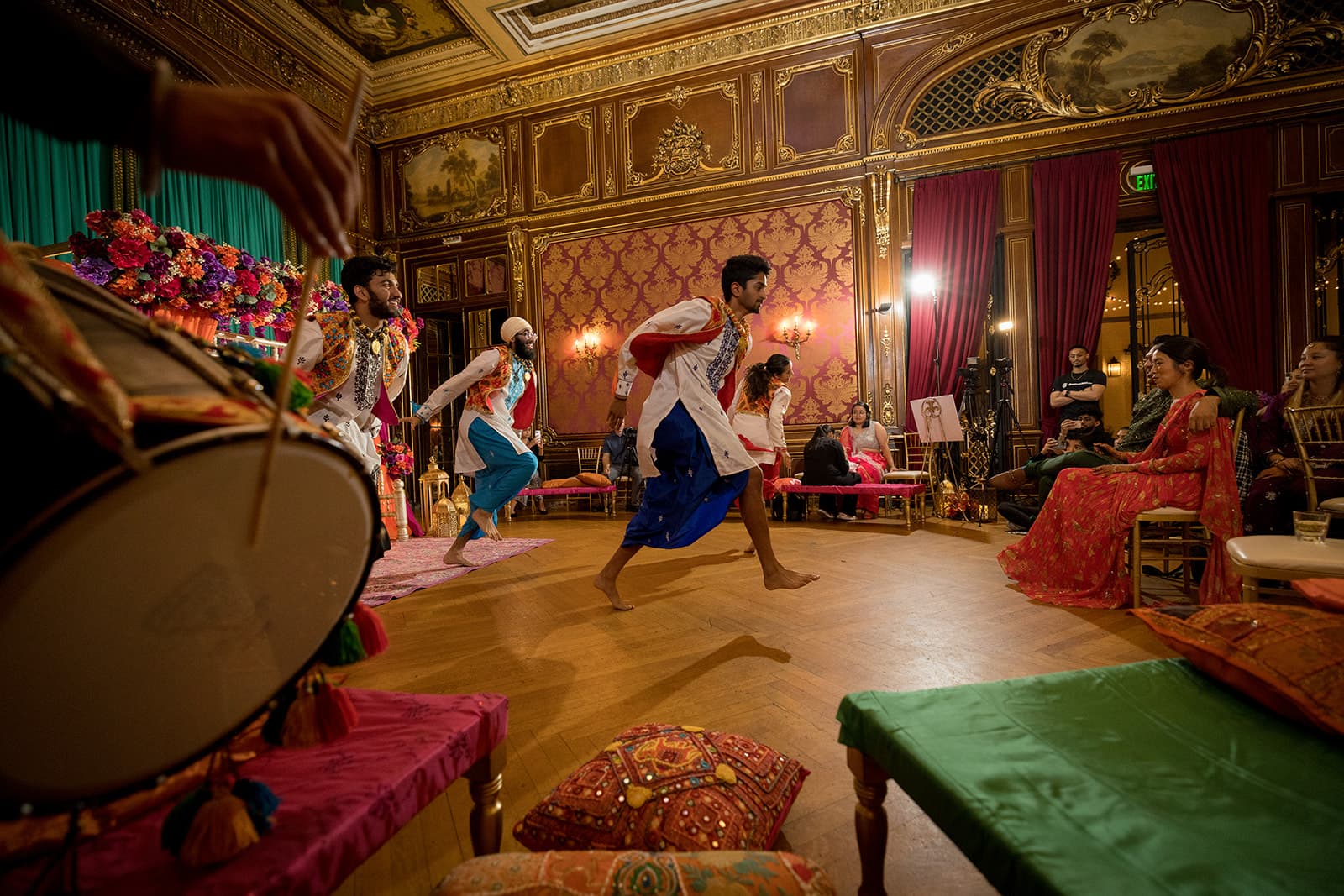
The Sangeet is the crown jewel of the pre-wedding celebrations and the DJ's first major test. This event can range from an intimate living room gathering to a 300-person production in a ballroom, but the structure is typically consistent: choreographed dance performances from both families, games or skits, and open dancing. The DJ serves as the technical backbone and emcee — managing performance tracks with precise timing, handling wireless microphones for hosts and performers, and building the open dance floor after the program concludes.
For families that include a Jaggo ceremony — a pre-wedding nighttime procession — the DJ provides portable sound with traditional Jaggo songs and high-energy Punjabi and Bollywood tracks. This is a high-volume, maximum-enthusiasm celebration that takes place outdoors, so logistics around battery-powered speakers and neighborhood noise sensitivity need to be addressed during planning. The energy of the Jaggo should be infectious, pulling neighbors and passersby into the celebration.
Wedding Day
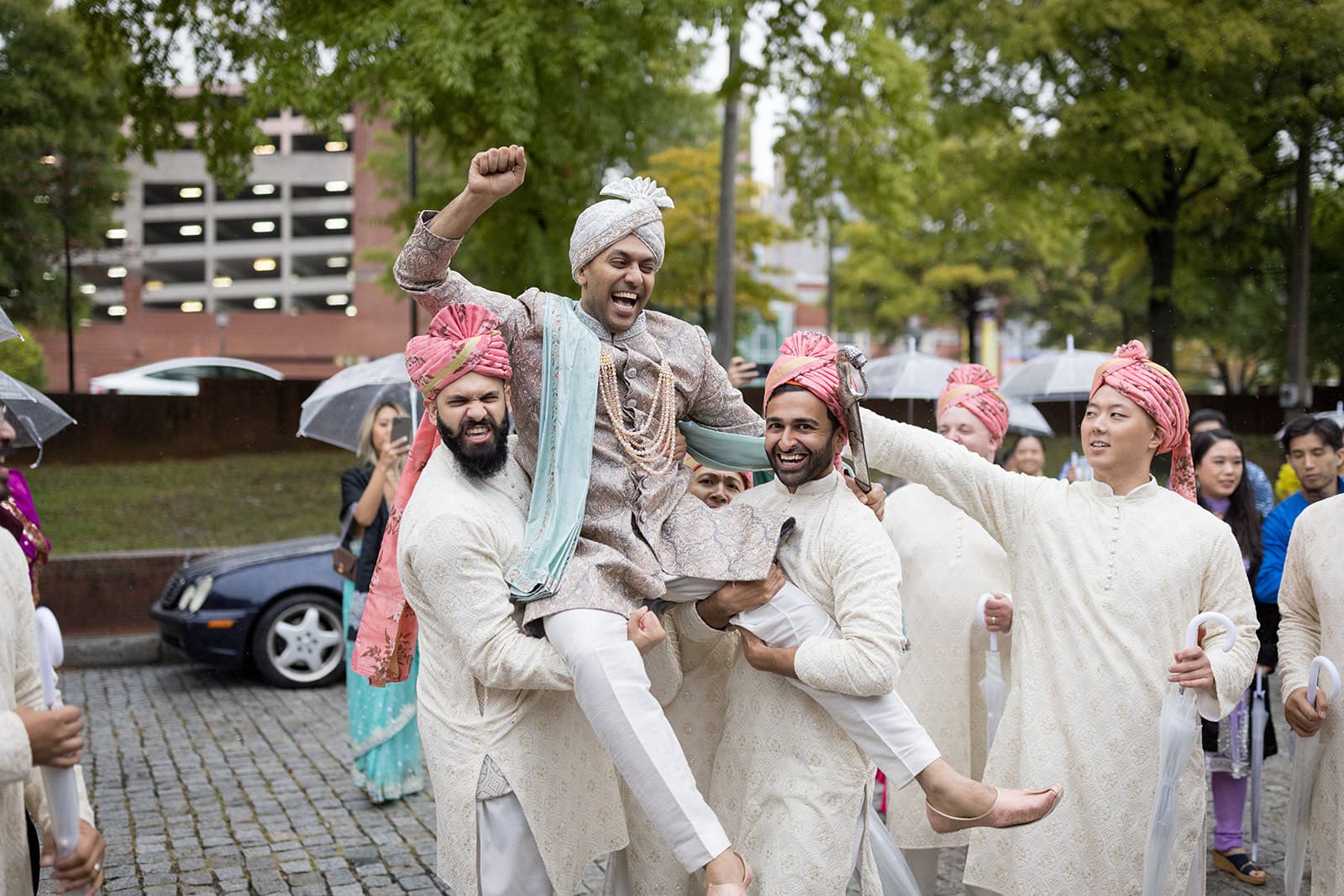
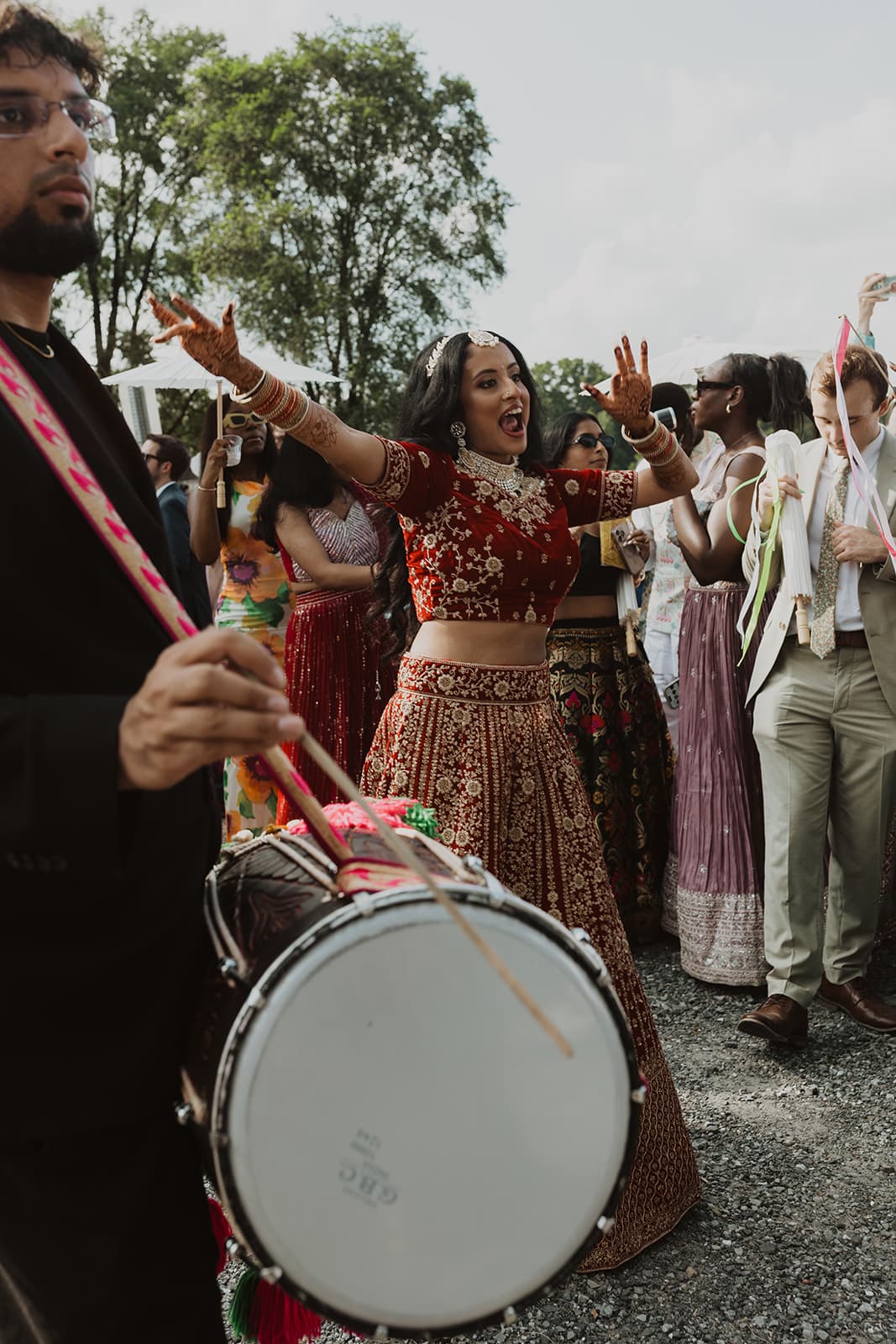
The Baraat is the groom's processional arrival and should be the most high-energy moment of the entire wedding day. Live dhol is the gold standard here — the thunderous drumming leading the groom's procession while family and friends dance around him creates an atmosphere of pure celebration. The DJ amplifies this with portable outdoor speakers playing baraat classics, Bollywood party anthems, and bhangra tracks that keep the dancing at maximum intensity. Coordination between the DJ and dhol player is critical so that the live drumming and amplified music complement each other rather than competing.
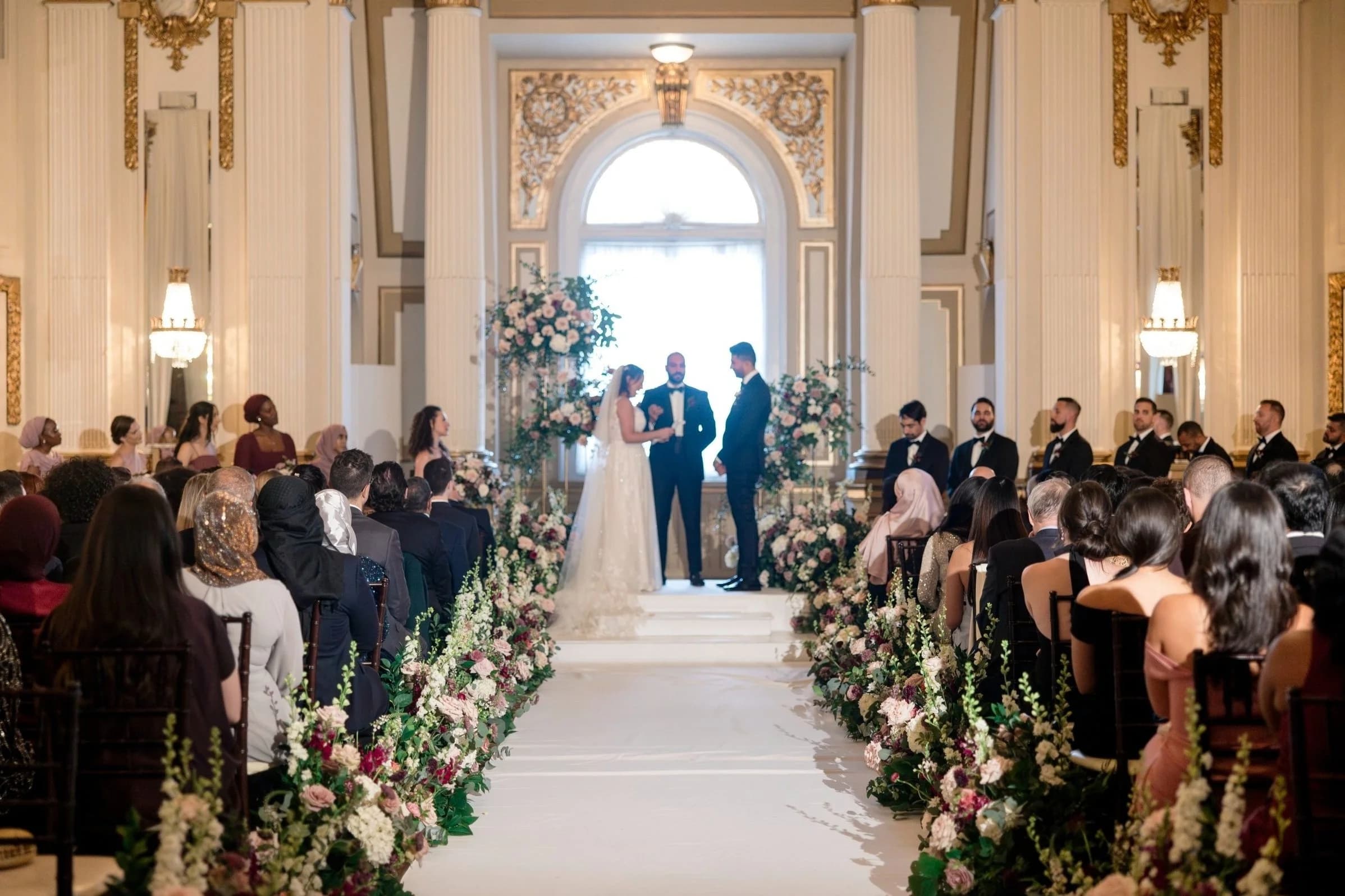
The wedding ceremony — whether it includes the pheras around the sacred fire, Kanyadaan, Jai Mala, or Sindoor — is a deeply spiritual event. The DJ's role is entirely supportive: providing clear microphone audio for the pandit, playing devotional tracks or mantras when requested, and ensuring the sound system serves the ceremony without drawing attention to itself. Volume must be carefully managed so the pandit's voice carries clearly throughout the venue without harshness or feedback.
The Phere (circling the sacred fire) is the most important ritual of the Hindu wedding ceremony. Some pandits chant the mantras live, while others prefer recorded versions played through the sound system. The DJ needs to know which approach the pandit will use and have the appropriate audio files ready. Any technical issues during the pheras — a dead microphone, wrong track, or feedback — would be deeply disruptive to the most sacred moment of the wedding. Preparation and redundancy are non-negotiable.
The Reception
The Hindu wedding reception typically follows a three-phase structure that mirrors Western receptions but with a distinctly South Asian musical palette. Phase one is the cocktail hour — typically 45 to 60 minutes of sophisticated background music that allows guests to mingle, congratulate the families, and settle in. The DJ curates a blend of Bollywood lounge remixes, instrumental covers of popular Hindi tracks, contemporary jazz, and light R&B that creates a warm, upscale atmosphere.
Phase two covers the formal program: grand entrance, first dance, dinner service, and speeches or toasts. The grand entrance is a high-impact moment that deserves careful choreography between the DJ, lighting team, and emcee. The couple's entrance song should build anticipation, and coordinated lighting effects — spotlights, color washes, cold sparks if available — amplify the drama. During dinner, music stays elegant and conversational, cycling through classic Bollywood ballads, Hindi film favorites, and soft contemporary tracks.
Phase three is the open dance floor, and this is where the DJ's skill truly shines. The progression should start with accessible Bollywood crowd-pleasers that pull the hesitant dancers off their chairs. As the floor fills, the DJ layers in more energetic Bollywood party tracks, transitions into bhangra and Punjabi hits for maximum physical engagement, and weaves in hip-hop, reggaeton, Afrobeats, and EDM to keep the younger crowd fully invested. The final 30 minutes should be the biggest songs of the night — the tracks that make everyone rush to the floor for one last burst of energy.
Reading a multi-generational Hindu wedding crowd is an art. The dance floor will include grandparents who want classic Bollywood from the golden era, parents who love 90s and 2000s Hindi film music, and twenty-somethings who want AP Dhillon and Drake. A great DJ serves all three groups by cycling through eras and genres strategically, never alienating one demographic by catering exclusively to another.
Essential Songs by Category
Building the right Hindu wedding music library requires depth across multiple categories. Baraat and high-energy tracks need to include timeless Bollywood wedding anthems alongside contemporary Punjabi and Hindi party songs that younger crowds demand. The sangeet performance catalog should span decades of Bollywood choreography favorites — from classic 90s dance numbers to the latest film releases — since performance groups often choose songs from across this entire spectrum.
Romantic songs for first dances, couple entries, and slow dance moments need both Hindi ballads and English love songs. Many couples choose to blend both languages, so the DJ should have options ready in either direction. Ceremony and devotional music should include a solid collection of mantras, bhajans, and shlokas organized by ritual so the DJ can quickly locate the right track if the pandit requests it.
The open dance floor catalog is the deepest requirement. Classic Bollywood party anthems, modern Hindi pop, Punjabi bhangra across decades, hip-hop clean edits, Latin and reggaeton crossover hits, Afrobeats, and EDM all need to be represented. Clean versions of every track are mandatory — explicit content has no place at a family wedding celebration. The DJ should also carry regional specialties based on the families involved: Garba tracks for Gujarati guests, Tamil and Telugu hits for South Indian families, and Bengali folk for East Indian representation.
Regional Variations
North Indian Hindu weddings tend to feature the most extensive baraat processions and the heaviest bhangra influence on the dance floor. The sangeet is often a major production with elaborate choreography and the mehndi carries a folk-forward musical identity. Punjabi Hindu families in particular expect a deep Punjabi music library and may want live dhol not just for the baraat but during the reception dance floor as well.
South Indian Hindu weddings have their own rich musical landscape. Classical Carnatic music plays a significant role in the ceremony, and the DJ needs to understand the difference between Nadaswaram for the processional and Thavil for celebratory moments. Reception dance floors at South Indian weddings often feature Tamil and Telugu film music alongside Bollywood, and the DJ must carry a strong catalog in these languages. The cultural protocols around ceremony music are specific and non-negotiable.
Gujarati Hindu weddings revolve around the garba night, which demands specialized knowledge of garba rhythm patterns and tempo progression. The DJ needs a deep library of traditional and contemporary garba tracks and the skill to manage the circular dance formation that is unique to Gujarati celebrations. Fusion weddings — where one partner is Hindu and the other is from a different cultural background — require the most versatile DJ of all. These celebrations demand a seamless blend of South Asian traditions with Western, Latin, African, or other cultural music, and the DJ must navigate both sets of expectations with equal confidence and respect.
Choosing the Right DJ
When evaluating DJs for a Hindu wedding, cultural experience is the non-negotiable starting point. Ask how many Hindu weddings they have performed, what types (North Indian, South Indian, Gujarati, fusion), and whether they can speak to the specific musical requirements of each ceremony. A DJ who gives vague or generic answers about South Asian weddings likely lacks the depth to handle your celebration properly.
Request video or audio samples from past Hindu weddings. You want to see how they manage transitions between ceremony and celebration, how the dance floor responds during the reception, and whether the emcee work sounds natural and polished. Pay attention to the crowd reactions in the videos — a packed, energetic dance floor at a previous wedding is the strongest evidence of skill.
The planning process reveals professionalism. A qualified Hindu wedding DJ will ask detailed questions about your ceremony structure, the pandit's preferences, family musical tastes by generation, regional traditions, and the specific emotional arc you envision for each event. They should want to coordinate with your pandit, planner, and venue team well in advance. If a DJ seems eager to skip planning and just show up, they are not prepared to handle the complexity that a Hindu wedding demands.
Ready to Elevate Your Event?
Let DJ Taj Productions bring the energy, expertise, and production value your celebration deserves. Explore our South Asian Wedding Services or Live Dhol & Musicians, or browse more articles on the DJ Taj blog.
Get a Free Quote