Gujarati weddings blend deep spiritual tradition with joyful Garba celebration. From Ganesh Puja to Vidaai, here's your complete music guide.
Why Gujarati Weddings Need a Specialist DJ
Gujarati weddings are a unique blend of deeply spiritual rituals and exuberant celebration. The musical requirements span devotional bhajans, high-energy garba and raas, Bollywood dance hits, and contemporary Western music — sometimes all within the same evening. A generalist DJ simply cannot navigate these transitions with the precision and cultural awareness that Gujarati families expect.
The garba night alone demands a specific skill set. The DJ needs to understand garba rhythm patterns, know when to shift between traditional and contemporary garba tracks, manage the tempo progression throughout the evening, and read a dance floor that moves in concentric circles rather than freestyle. These are not skills you can improvise.
Beyond the music, a Gujarati wedding DJ must understand the religious significance of each ceremony — from the Ganesh Puja that opens the celebration to the Vidaai that closes it. Playing the wrong music during a sacred moment, or bringing high energy to a solemn ritual, shows a lack of cultural literacy that families notice immediately.
Ganesh Puja and Mandap Mahurat
The wedding celebrations traditionally begin with the Ganesh Puja, a prayer ceremony invoking Lord Ganesh to bless the wedding and remove obstacles. This is a sacred moment, and the DJ's role is to provide clean, subtle amplification for the pandit and soft devotional music when appropriate.
The Mandap Mahurat is the ritual consecration of the wedding mandap (canopy). Music during this ceremony should be limited to traditional bhajans and shlokas played at a respectful volume. The DJ ensures the pandit's microphone is clear and that any recorded devotional audio is queued and ready.
These early ceremonies set the spiritual tone for the entire wedding. The DJ should be present and ready but not the center of attention. Technical reliability is paramount — clean audio for prayers, no feedback, and seamless transitions between spoken word and devotional tracks.
Pithi and Haldi Ceremony
The Pithi (also known as Haldi) is a pre-wedding ceremony where turmeric paste is applied to the bride and groom by family members. The mood is joyful, playful, and intimate — typically held at home or in a smaller venue with close family only.
Music for the Pithi should be cheerful and light. Traditional Gujarati folk songs, classic Bollywood haldi-themed tracks, and playful film numbers create the right atmosphere. The DJ keeps volume at a conversational level, allowing the family banter and laughter to be the primary soundtrack.
Some families incorporate specific songs that hold personal meaning during the turmeric application. A prepared DJ will have gathered these requests in advance and will have them queued at the right moment. This is a small detail that shows genuine care and attention.
Sangeet and Garba Night
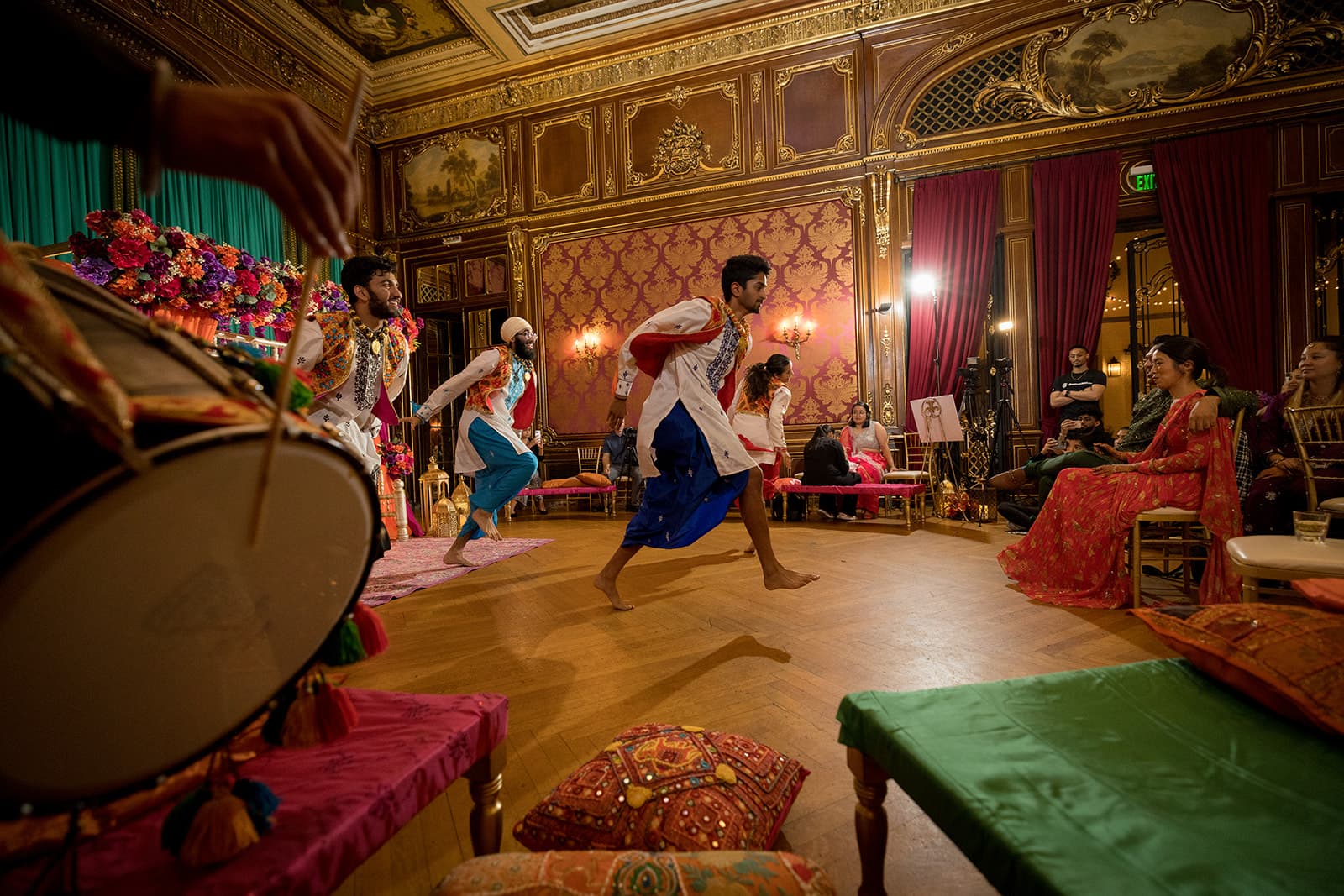
The garba night is often the most anticipated event of the entire wedding, and it is where the DJ truly earns their fee. This is not just a dance party — it is a cultural experience that requires specific musical knowledge, tempo management, and crowd reading skills that are unique to Gujarati celebrations.
A well-structured garba night follows a deliberate timeline. From around 7:00 to 7:30 PM, guests arrive to background music — contemporary Gujarati hits, Bollywood lounge remixes, and light conversation-friendly tracks. At 7:30, the formal garba program begins with an aarti or prayer, followed by the opening garba round at a moderate tempo.
From 8:00 to 9:30, the garba and raas rounds build progressively. The DJ starts with slower, traditional garba tracks that allow less experienced dancers to join in, then gradually increases tempo and energy. Classic garba compositions are mixed with contemporary Gujarati garba hits, and the DJ watches the floor to gauge when the crowd is ready for each escalation.
The final phase from 9:30 to 11:00 PM transitions from traditional garba into a full dance party. This is where Bollywood bangers, bhangra hits, and high-energy remixes take over. The DJ blends these with Gujarati crowd favorites to keep the cultural flavor alive while opening the floor to freestyle dancing. The night should peak around 10:30 and wind down gracefully by the scheduled end time.
Mameru Ceremony
The Mameru is a special ceremony where the maternal uncle (mama) of the bride presents her with gifts including clothing, jewelry, and sweets. It is a tender, family-centered moment that celebrates the bond between the bride and her mother's side of the family.
Musically, the Mameru calls for soft, emotional Gujarati and Bollywood tracks that complement the sentiment of the moment. The DJ provides gentle background music and clear microphone audio if the family wants to make announcements or speeches. The volume should never compete with the emotional exchanges happening between family members.
Some families make the Mameru a larger celebration with more guests, in which case the DJ can gradually increase the energy as the event transitions from the formal ceremony into a social gathering. Flexibility and sensitivity to the family's wishes are key.
Jaan and Baraat Procession
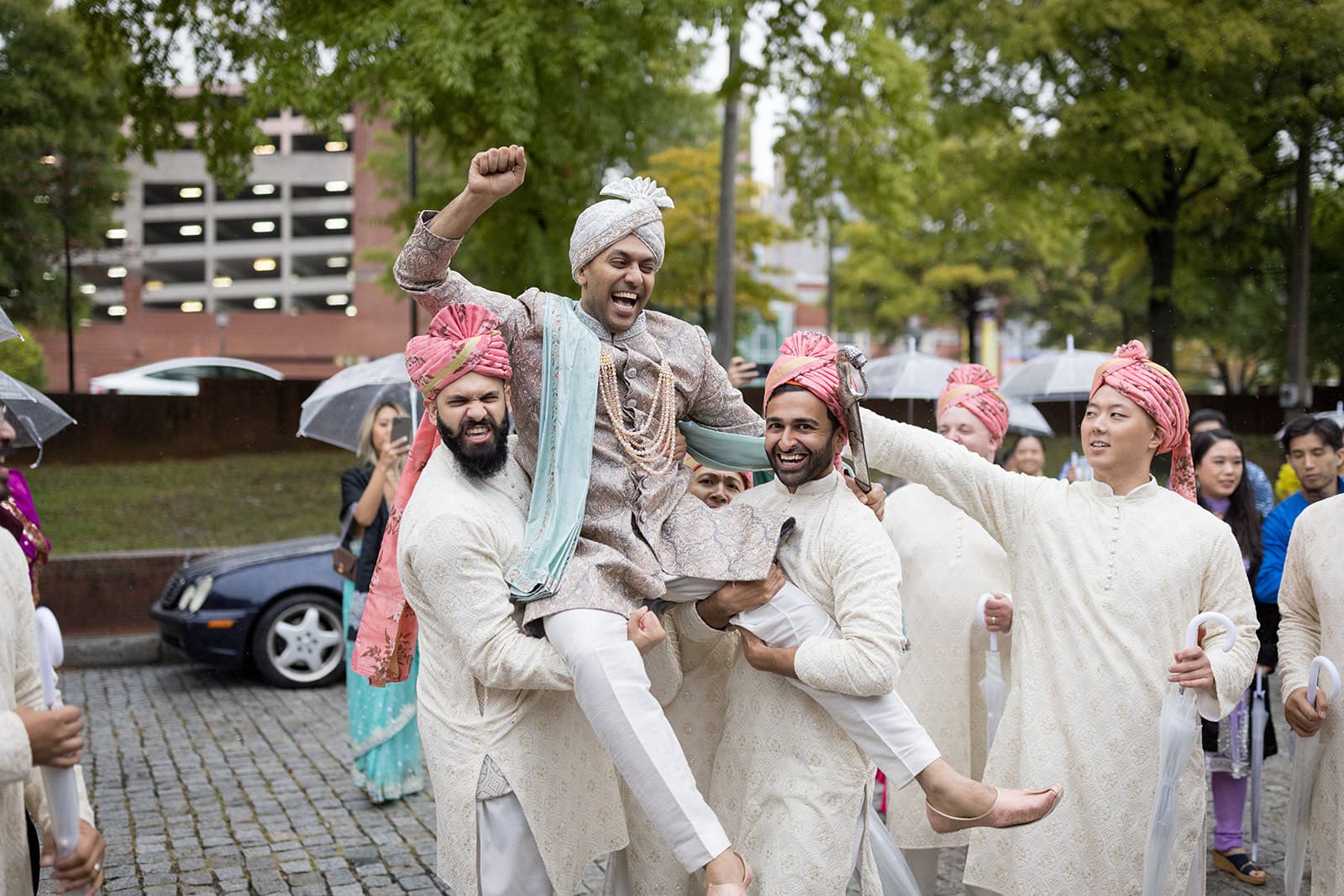
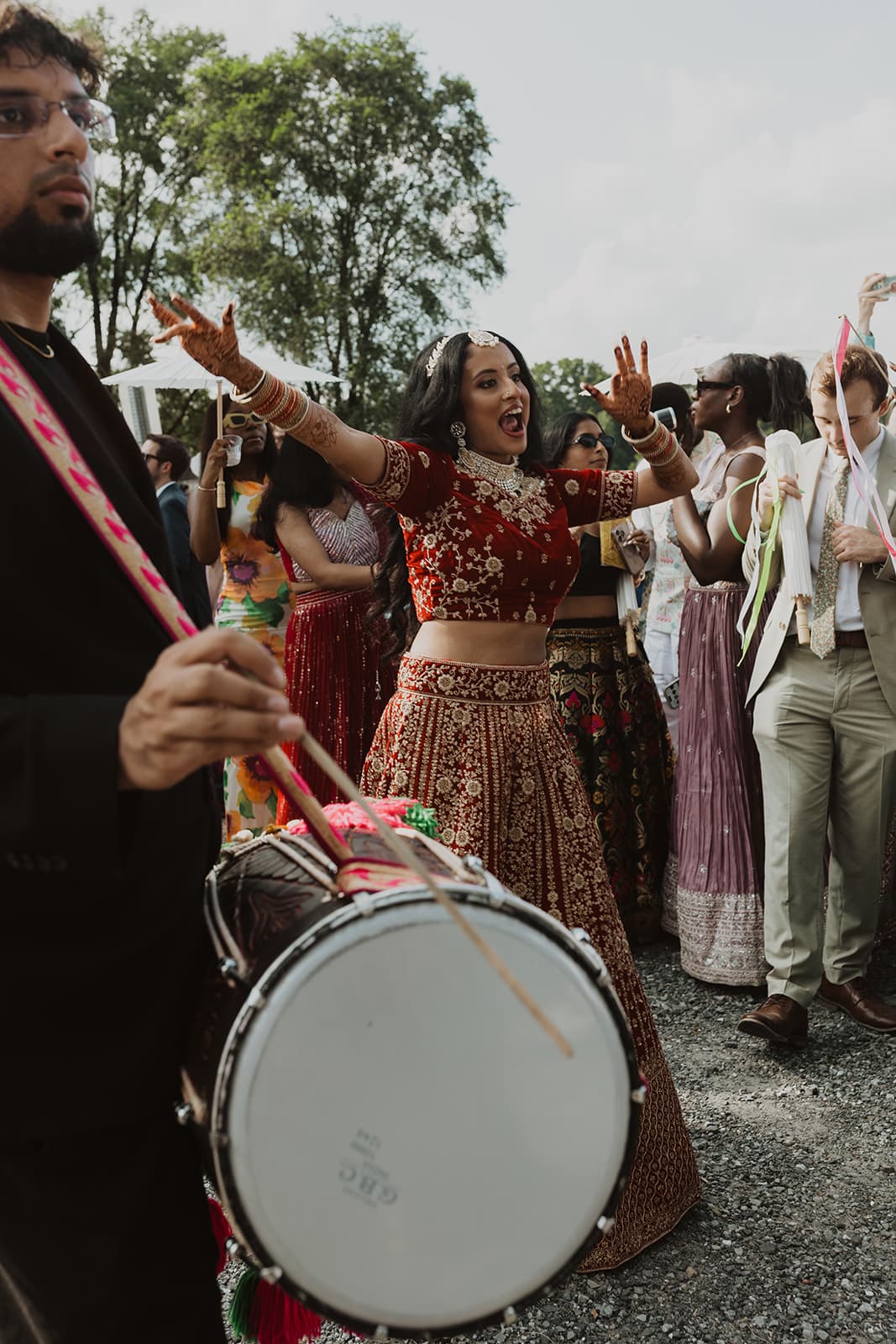
The Jaan (also called Baraat) is the groom's procession to the wedding venue, accompanied by dancing family and friends. For Gujarati weddings, this typically features a mix of traditional dhol drumming and high-energy Bollywood and Gujarati tracks played through portable speakers.
The DJ coordinates with any live dhol players to ensure the amplified music complements rather than competes with the live drumming. Song selection should favor maximum-energy Gujarati anthems and Bollywood baraat classics that encourage everyone to dance. The procession builds energy as it approaches the venue, reaching peak excitement as the groom arrives.
Outdoor sound logistics are critical. Battery-powered or generator-backed speakers need to be positioned along the procession route, and the DJ may need to move with the procession or station speakers at key points. Noise ordinances and venue rules should be confirmed well in advance.
Vara Puja and Wedding Ceremony
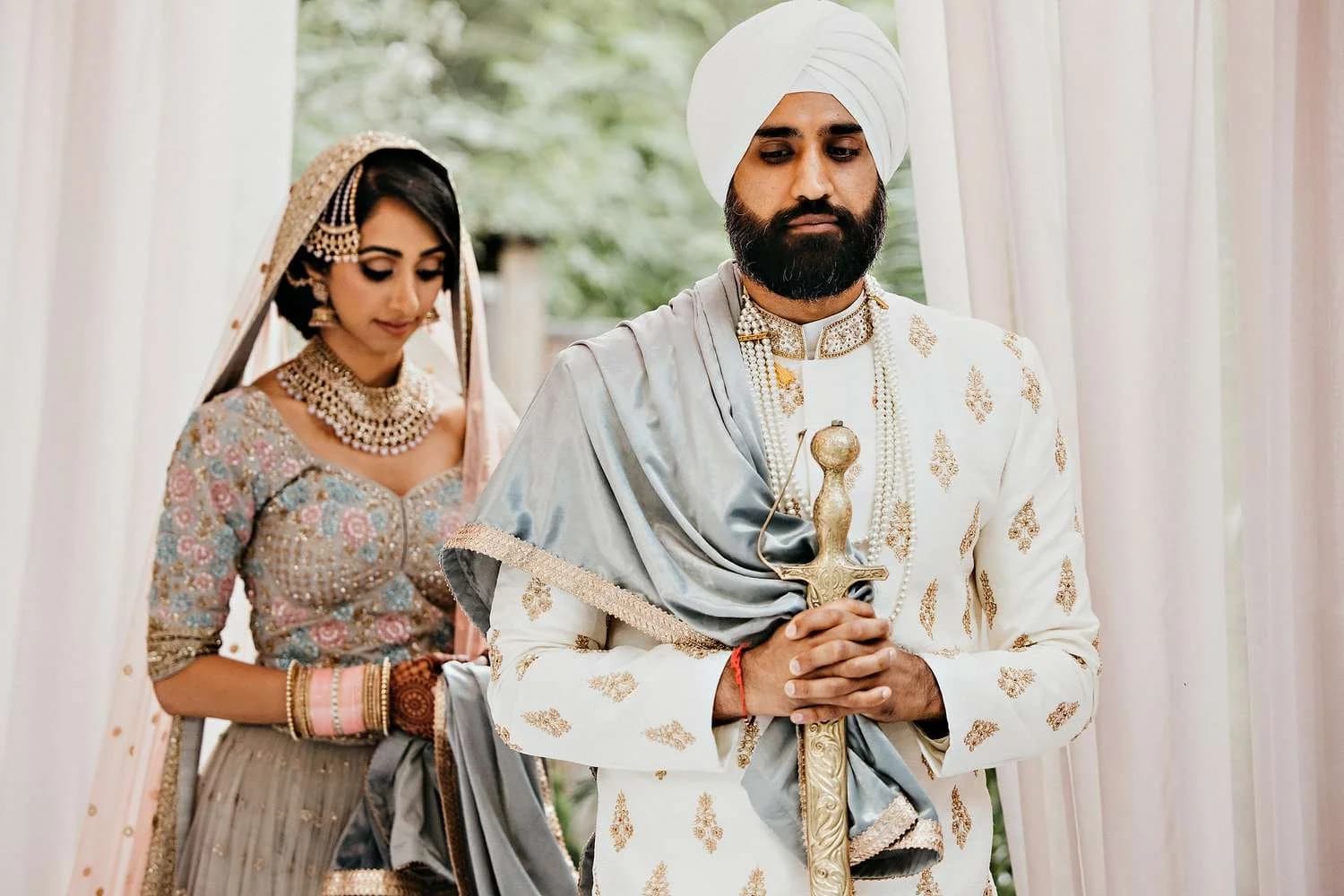
The Vara Puja is the welcoming ceremony for the groom at the venue, followed by the main wedding rituals including the pheras (circling the sacred fire). These are deeply spiritual moments, and the DJ's role is purely supportive — providing clear audio for the pandit and soft devotional music during transitions.
During the pheras, some families request specific mantras or bhajans to be played. The DJ must have these prepared and must know the exact moments in the ceremony when they are appropriate. Working closely with the pandit before the ceremony ensures smooth coordination.
Sound management during the wedding ceremony requires a delicate touch. The pandit's microphone must be clear without being harsh, background devotional music should enhance the atmosphere without distracting from the rituals, and the DJ should be attentive to cues from the pandit for any audio adjustments. This is not the time for the DJ to be on their phone.
Vidaai — The Farewell
The Vidaai is the bride's farewell to her family home and parents, and it is one of the most emotionally intense moments of the wedding. The music must reflect this — soft, poignant, and deeply meaningful. Classic Bollywood bidai songs, Gujarati farewell tracks, and instrumental pieces create the appropriate soundtrack.
The DJ keeps volume low and manages transitions with extreme care. Abrupt changes, upbeat music, or technical glitches during the Vidaai would be deeply inappropriate. This moment requires the DJ to be fully present and attentive, ready to adjust music in real time based on the emotional pace of the farewell.
Some families prefer minimal or no music during the actual departure, using only the sounds of blessings and prayers. Others want a specific song playing as the bride leaves. Detailed planning conversations ensure the DJ knows exactly what the family envisions for this moment.
Cocktail Hour and Grand Entrance
If the wedding includes a Western-style reception, the cocktail hour bridges the cultural ceremony with the evening celebration. Music should be sophisticated and welcoming — jazz-influenced Bollywood instrumentals, contemporary lounge tracks, and light pop hits that set a social tone without overpowering conversation.
The grand entrance is the couple's first big moment as newlyweds in front of all their guests. The DJ coordinates the introduction with specific song selections, lighting cues, and emcee work that creates excitement and sets the energy for the rest of the evening. This should be rehearsed or at minimum thoroughly discussed during planning.
First Dance, Dinner, and Open Dancing
The first dance is a personal moment for the couple, and the song choice is entirely theirs. The DJ ensures perfect audio, appropriate lighting, and a smooth transition from the dance into the next segment — whether that is dinner, toasts, or more dancing.
Dinner music stays in the background, moving through a curated mix of Gujarati favorites, classic Bollywood, and contemporary easy-listening tracks. The DJ monitors volume carefully to ensure conversation flows naturally at every table.
Open dancing is where the DJ brings all their skills together. The progression should start with Bollywood crowd-pleasers that draw people to the floor, transition through Gujarati garba favorites and bhangra hits, incorporate hip-hop, reggaeton, and top 40 for the younger crowd, and peak with high-energy anthems that pack the floor. The final sets should be the biggest songs of the night, leaving guests talking about the party for months.
What to Look For in a Gujarati Wedding DJ
First and foremost, look for experience with Gujarati weddings specifically. A DJ who knows garba rhythms, understands the pacing of Gujarati ceremonies, and carries a deep library of Gujarati folk, film, and contemporary music is worth their weight in gold.
Ask for video from past garba nights. You want to see how they manage the tempo progression, how the dance floor responds, and how they handle the transition from traditional garba to open dancing. The garba is the litmus test for a Gujarati wedding DJ.
Cultural respect is non-negotiable. Your DJ should demonstrate genuine understanding of the spiritual elements of Gujarati weddings and approach every ceremony with the appropriate reverence. Technical skill means nothing if the DJ does not grasp the emotional and cultural significance of each moment.
Sample 3-Day Wedding Timeline
Day One — Garba and Sangeet Night: Guest arrival and mingling from 7:00 to 7:30 PM. Opening aarti and first garba round at 7:30. Progressive garba and raas from 8:00 to 9:30. Transition to open dance floor from 9:30 to 10:45. Wind down and closing by 11:00 PM.
Day Two — Wedding Ceremony: Ganesh Puja and early rituals in the morning. Baraat procession arrival mid-morning. Vara Puja and wedding ceremony through the afternoon. Vidaai in the late afternoon or early evening.
Day Three — Reception: Cocktail hour from 6:00 to 7:00 PM. Grand entrance, first dance, and dinner from 7:00 to 8:30. Toasts and special dances from 8:30 to 9:00. Open dancing from 9:00 to 11:00 PM. Last dance and send-off.
8 Questions to Ask Your DJ
How many Gujarati weddings have you performed at? Can you share video from a garba night you DJ'd? What is your approach to tempo progression during garba? Do you carry traditional garba and raas tracks, or only contemporary remixes?
How do you handle coordination with the pandit during ceremonies? Do you have experience with outdoor baraat processions? What backup equipment do you carry? How far in advance do you begin the detailed planning process for multi-day events?
These questions will quickly reveal whether a DJ is a genuine Gujarati wedding specialist or someone who is hoping to figure it out on the fly. The answers should be detailed, confident, and specific to Gujarati traditions.
5 Common Mistakes to Avoid
Treating garba night like a generic dance party is the most frequent mistake. Garba has its own structure, rhythm, and progression — a DJ who does not understand this will frustrate experienced garba dancers and miss the cultural magic of the evening.
Not coordinating with the pandit is a recipe for awkward moments during the ceremony. The DJ and pandit need to meet before the event to discuss microphone setup, audio cues, and the flow of rituals. This coordination should happen days before, not minutes before.
Ignoring the emotional weight of the Vidaai leads to tone-deaf moments that families remember for the wrong reasons. Playing upbeat music or making cheerful announcements during the bride's farewell shows a fundamental misunderstanding of the moment.
Under-preparing music for the garba night — relying on a small playlist of popular tracks rather than a deep library of traditional and contemporary garba — results in a repetitive, underwhelming dance floor. And finally, not discussing family preferences for each event means the DJ is guessing instead of executing a plan.
The DJ Taj Productions Difference
Gujarati weddings hold a special place in our portfolio at DJ Taj Productions. We have invested years in building a comprehensive garba and Gujarati music library, developing our understanding of ceremony flow, and perfecting the art of the garba night tempo build.
Our team approaches every Gujarati wedding with deep respect for tradition and the production value to make each event extraordinary. From the first Ganesh Puja prayer to the final dance at the reception, we bring cultural expertise, professional equipment, and genuine passion for Gujarati celebration.
If you are planning a Gujarati wedding in the DMV area and want a DJ who understands the beauty and complexity of your traditions, we would love to be part of your celebration.
Ready to Elevate Your Event?
Let DJ Taj Productions bring the energy, expertise, and production value your celebration deserves. Explore our South Asian Wedding Services or Live Dhol & Musicians, or browse more articles on the DJ Taj blog.
Get a Free Quote