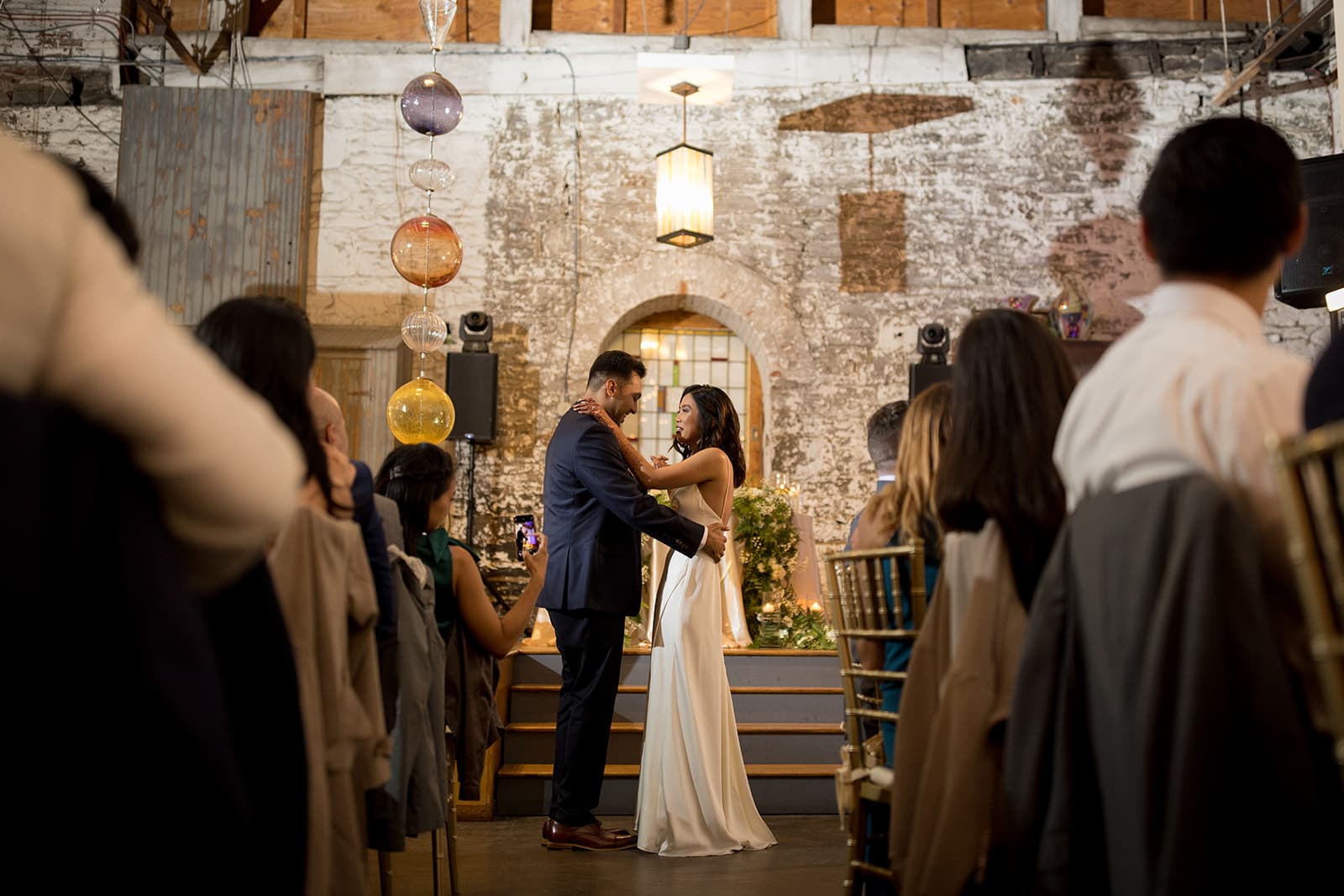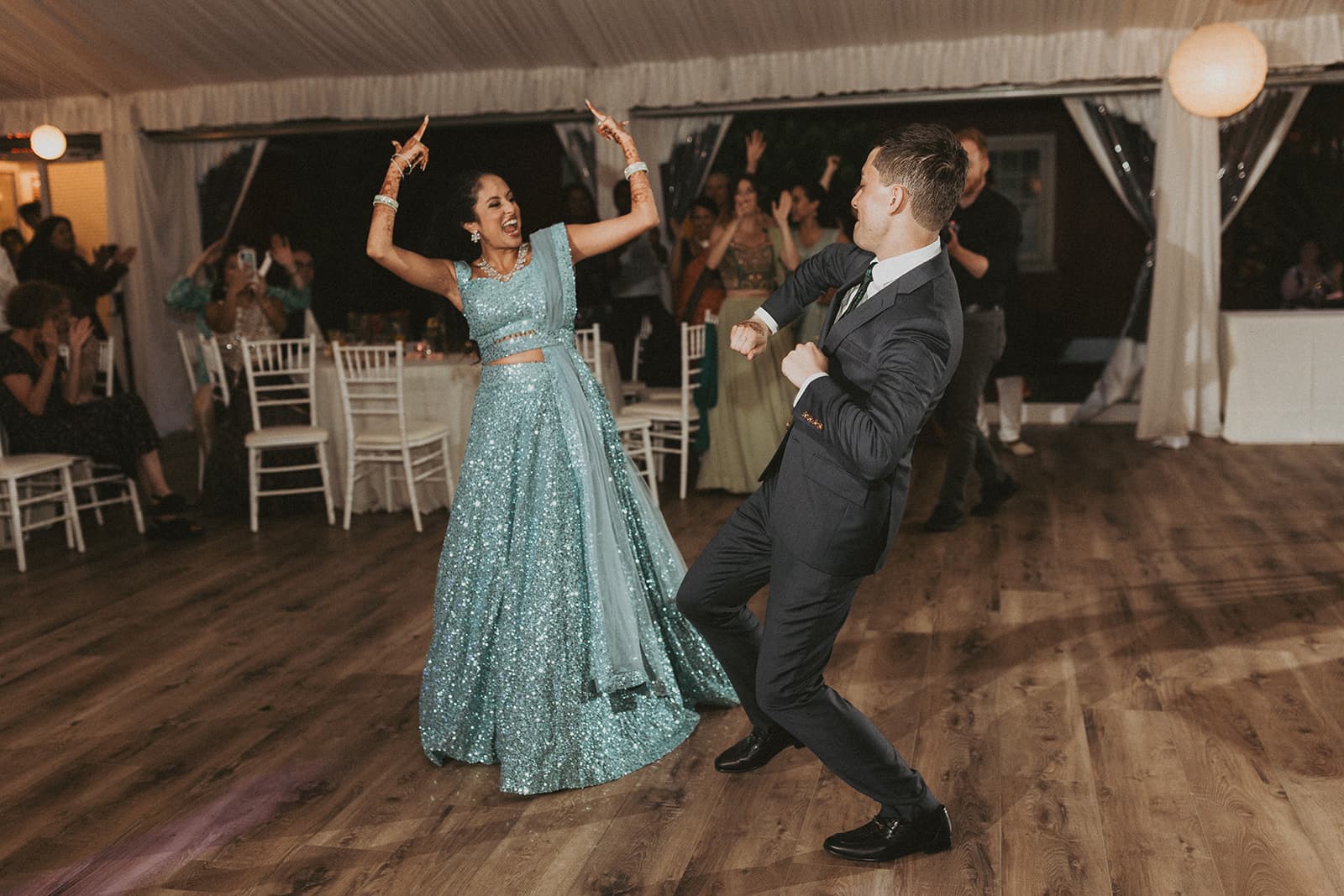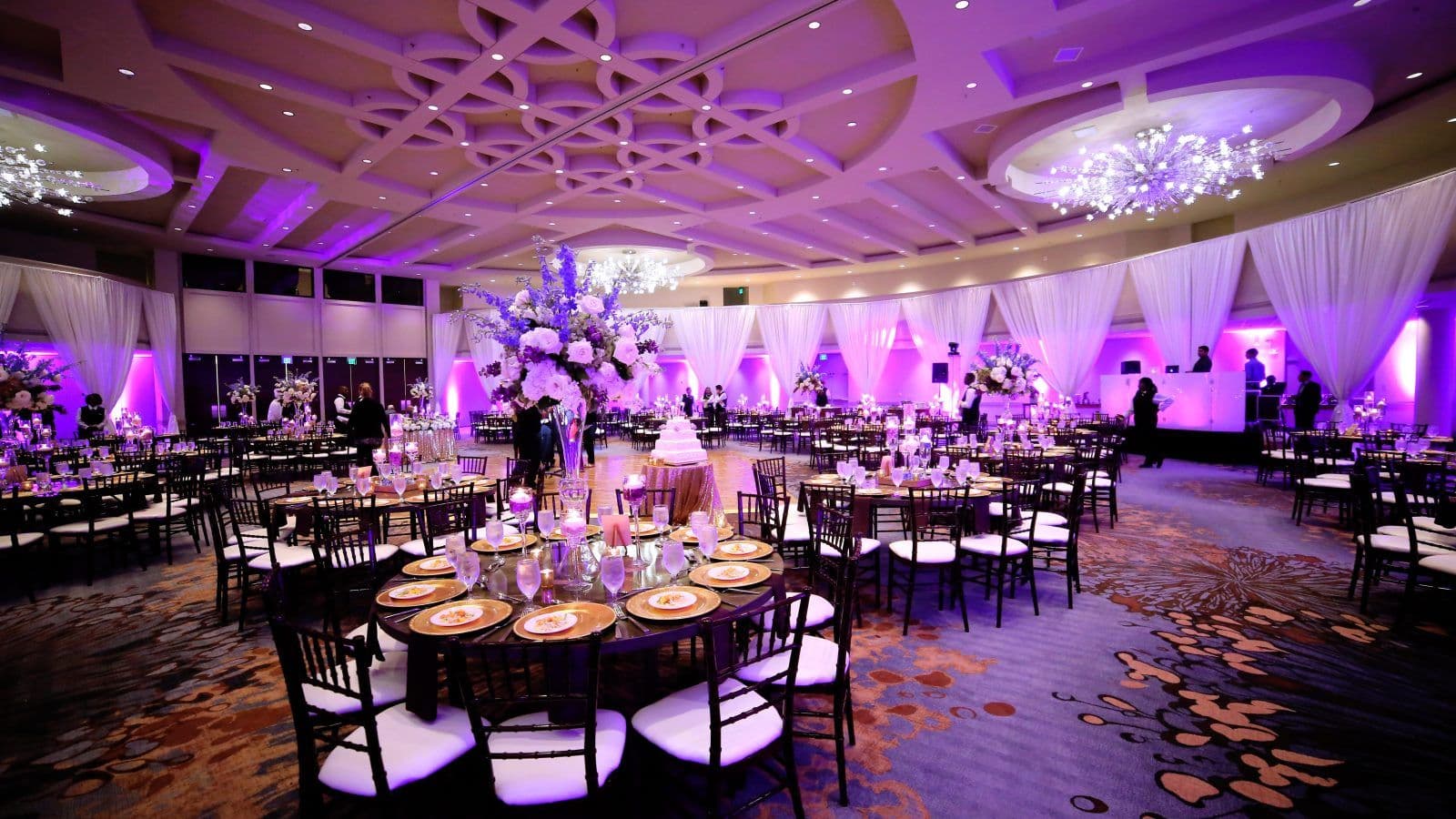
Even the best music can't overcome a terrible dance floor setup. After 330+ events, here are the best DMV venues for epic wedding receptions.
What Makes a Great Dance Floor
After performing at more than 330 weddings and events across the Baltimore and DC corridor, one thing is absolutely clear: the venue makes or breaks the dance floor. You can hire the best DJ in the world, invest in premium sound and lighting, and curate the perfect playlist, but if the room fights against you, the party will never reach its full potential. The factors that matter most are floor size, acoustics, ceiling height, lighting infrastructure, and layout flow.
A proper dance floor needs enough space for at least 40 to 50 percent of your guest count to be dancing simultaneously. Cramped floors kill energy because guests feel self-conscious about bumping into each other, while oversized floors make a crowd look sparse. Acoustics are equally important — rooms with hard parallel walls and low ceilings create echo and muddiness that no amount of speaker tuning can fully correct. High ceilings with some sound-absorbing materials give bass room to breathe and keep vocals crisp.
Layout flow refers to how the dance floor relates to the dining area, bar, and entry points. The best venues position the dance floor centrally or adjacent to the bar so that guests naturally gravitate toward the action. Venues where the dance floor is hidden in a corner or separated by a hallway create a psychological barrier that makes it harder to pull people onto the floor. Lighting infrastructure matters too — venues with built-in rigging points, dimmer controls, and minimal ambient light bleed give your DJ and lighting team the ability to create dramatic moments that amplify the music.
Top Baltimore Venues
Sagamore Pendry Baltimore sits at the top of the list for a reason. The grand ballroom offers soaring ceilings, a naturally defined dance floor area, and acoustics that reward a well-tuned sound system. The waterfront setting adds ambiance, and the layout flows beautifully from cocktails on the terrace to dinner and dancing inside. The room handles 200 to 300 guests without feeling cavernous, which keeps the energy concentrated.
The Baltimore Museum of Industry provides a unique industrial-chic backdrop with exposed brick and high ceilings that give sound incredible room to fill naturally. The open floor plan allows for flexible dance floor placement, and the venue's lighting is easy to transform with uplighting and intelligent fixtures. Mt Washington Mill Dye House is another standout — the combination of rustic charm and open architecture creates an atmosphere that feels both intimate and grand. The natural wood and stone surfaces provide warm acoustic reflections that flatter both live and recorded music.
The Belvedere Hotel's John Eager Howard Ballroom is a classic choice with ornate architecture and a dedicated dance floor area that feels purposeful and elegant. Accelerator Space in Federal Hill offers a modern, industrial canvas with excellent ceiling height and flexible floor plans that work well for high-energy receptions. The Ivy Hotel provides a more intimate, luxury experience — ideal for smaller weddings of 80 to 120 guests where every detail is refined and the dance floor feels exclusive rather than sparse.
Top DC Venues
The Line DC in Adams Morgan brings boutique hotel sophistication with a layout that encourages movement between spaces. The main event room has solid acoustics and enough flexibility to create a proper dance floor that sits right in the heart of the action. Mellon Auditorium is the venue for couples who want maximum grandeur — the massive columned hall delivers jaw-dropping visuals and acoustics that support powerful sound systems without echo problems, making it ideal for large-scale receptions of 300 or more guests.
National Press Club offers a polished, upscale setting with ballroom spaces that are well-proportioned for dancing. The rooms are not so large that energy dissipates, and the built-in AV infrastructure makes technical setup straightforward. Loft at 600 F provides a modern, open-concept space in the heart of Penn Quarter with industrial ceilings and clean sight lines that keep the dance floor visible from every corner of the room. Sequoia in Georgetown combines waterfront views with a spacious indoor layout that transitions beautifully from dinner to dancing.
Ritz-Carlton Pentagon City delivers the polished ballroom experience with professional in-house AV teams that work well alongside outside entertainment vendors. The ballroom proportions are excellent for receptions between 150 and 400 guests, and the acoustic treatment keeps sound clean even at high volumes. Union Market District venues, including Dock 5, offer raw industrial spaces with towering ceilings and open floor plans that give DJs and lighting designers a blank canvas to create immersive production environments.
Features to Avoid
Not every beautiful venue translates to a great party. Venues with multiple small rooms connected by hallways fracture your crowd and make it nearly impossible to build collective energy on the dance floor. If guests have to physically leave the room where music is playing to get to the bar or restrooms, you will lose them. Rooms with extremely low ceilings compress sound in unflattering ways, making bass boomy and vocals harsh regardless of how carefully the system is tuned.
Outdoor-only venues present serious challenges for dance floor energy. Wind carries sound away, temperature fluctuations affect guest comfort, and noise ordinances in residential areas often force DJs to keep volume frustratingly low during peak hours. If your heart is set on an outdoor venue, ensure there is a covered or enclosed area where the dance floor and speakers can be positioned without environmental interference.
Venues with strict sound level restrictions, especially those measured in decibels at specific points in the room, can severely limit how much energy a DJ can build. Always ask for the exact noise policy in writing before signing a contract. Some venues enforce limits that are so conservative that the music will barely rise above conversation level, which makes a high-energy dance party physically impossible.
Tips for Maximizing Energy
Even at a great venue, strategic choices amplify the dance floor experience. Work with your DJ and planner to position the dance floor where it has natural foot traffic — near the bar, adjacent to the dinner area, and visible from the entrance. Guests are far more likely to dance when they can see others dancing, so visibility is a powerful psychological trigger.
Lighting is the single most underrated factor in dance floor energy. Dimming the house lights and bringing in intelligent lighting fixtures, haze, and color washes transforms a brightly lit ballroom into an immersive environment that makes people feel like they are at a concert rather than a banquet. Guests who would never dance under fluorescent lights will lose themselves on a properly lit dance floor.
Coordinate with your caterer to time the transition from dinner to dancing precisely. A gap between the last plate being cleared and the DJ opening the dance floor kills momentum. The best receptions have a seamless flow — the final speech ends, the lights shift, the music builds, and guests are pulled to the floor before they have time to settle into post-dinner inertia. Your DJ should be orchestrating this transition in lockstep with the venue coordinator and catering team.
Ready to Elevate Your Event?
Let DJ Taj Productions bring the energy, expertise, and production value your celebration deserves. Explore our Wedding DJ Packages or Event Enhancements, or browse more articles on the DJ Taj blog.
Get a Free Quote