Planning an Indian wedding reception is like directing a Bollywood film. Here's the perfect timeline to keep the energy flowing.
Cocktail Hour (60 Minutes)
The cocktail hour is your guests' first impression of the reception, and it sets the emotional baseline for everything that follows. Musically, this hour should feel sophisticated, warm, and inviting — not background noise from a random Spotify playlist, but a carefully curated experience that signals quality and intentionality. Bollywood lounge remixes, instrumental versions of classic Hindi film songs, light jazz with South Asian influences, and contemporary chill tracks create an atmosphere that encourages conversation while subtly building anticipation for the party ahead.
Volume control during cocktail hour is an art form. The music should be loud enough to fill the room and prevent awkward silence between conversations, but quiet enough that guests can talk comfortably without raising their voices. Most DJs set cocktail hour at roughly 75 to 80 decibels — enough presence to be heard and felt without dominating the space. The song selection should avoid anything too energetic or too slow; you want a steady, pleasant groove that keeps the mood lifted.
Strategically, the cocktail hour is also when the DJ tests the room. How does the sound system interact with the venue acoustics? Where are the dead spots? Are there any feedback issues near the microphone positions? A professional DJ uses this hour to fine-tune levels and EQ so that everything is dialed in perfectly by the time the formal program begins.
Grand Entrance (10 Minutes)
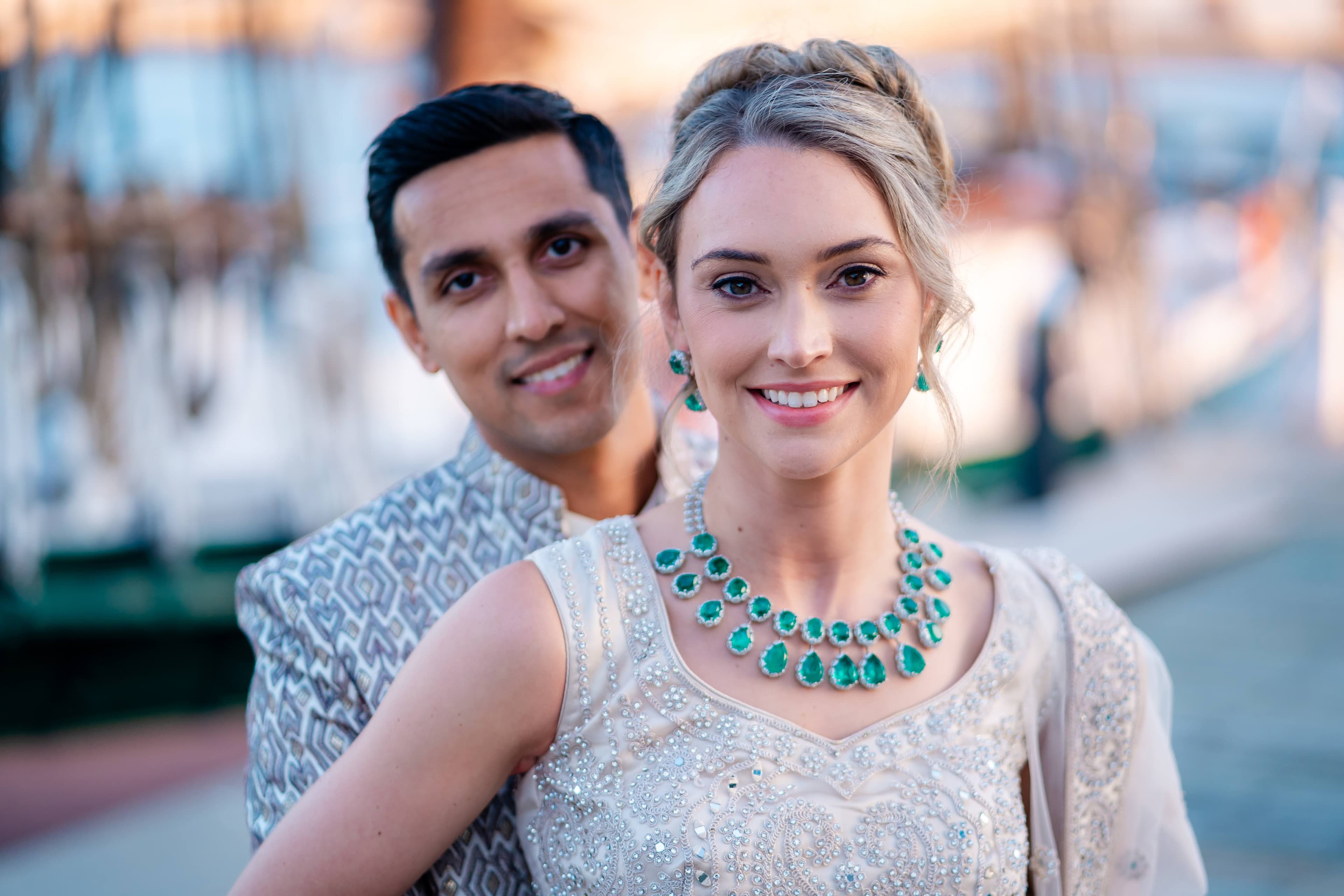
The grand entrance is the first time your guests see you as a married couple at the reception, and it should be cinematic. This is not a moment to be casual or understated — it is your Hollywood reveal, your Bollywood hero entry, the moment the room erupts. The DJ coordinates the entrance with lighting cues, special effects if available, and an emcee introduction that builds anticipation to a crescendo before the couple walks through the doors.
Song selection for the grand entrance should reflect the couple's personality and the energy they want to set for the rest of the evening. High-energy Bollywood anthems work for couples who want to enter dancing. Dramatic instrumental builds work for couples who want a more cinematic, slow-reveal entrance. Some couples choose an English-language track that holds personal meaning and transition into a Bollywood banger once they hit the dance floor. Whatever the choice, the song should build tension before the entrance and peak at the exact moment the couple appears.
Production elements elevate the grand entrance from nice to unforgettable. Cold sparks flanking the entrance, a haze-filled room with dramatic spotlighting, synchronized LED wall graphics, or a CO2 blast as the couple steps onto the dance floor — these touches transform a simple walk into a moment that guests photograph, film, and talk about for years. Coordinate every element with your DJ and production team during rehearsal or a detailed planning call.
First Dance (5-10 Minutes)
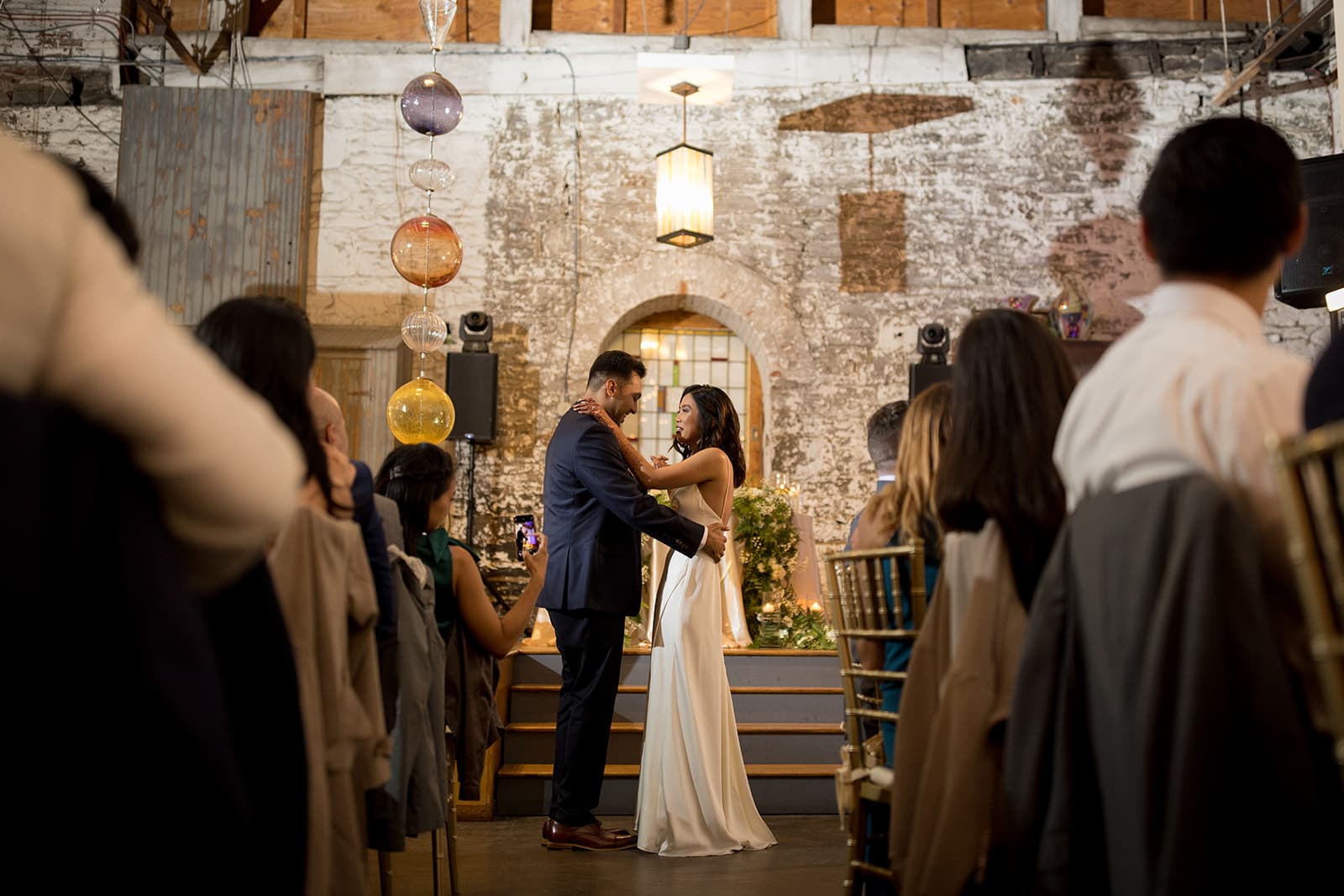
The first dance is one of the most personal moments of the reception, and the DJ's job is to make it feel intimate even in a room full of 300 people. Lighting is the most important tool here — a single warm spotlight on the couple with the rest of the room dimmed creates a bubble of intimacy that makes the moment feel private and precious. If dancing on a cloud fog is part of the package, this is when it deploys, adding a dreamy visual layer that elevates the dance from simple to stunning.
Song choice is entirely personal, but timing matters. Most first dance songs run between three and four minutes, which is ideal. Longer songs risk losing the audience's attention, while songs under two minutes feel rushed. If the couple has choreography, the DJ needs the exact version of the track they rehearsed — not a remix, not a live version, the exact studio recording with the same intro and timing. A mismatch between the choreography and the audio is immediately obvious and throws off the entire performance.
The transition out of the first dance is just as important as the dance itself. Some couples invite their parents onto the floor for a family dance, which extends the emotional intimacy. Others prefer a hard cut to an upbeat track that signals the party is starting. The DJ should discuss this transition during planning and execute it seamlessly — the first dance should feel like a complete, polished moment with a clear beginning and end.
Speeches and Toasts (10-15 Minutes Maximum)
Speeches are where receptions either maintain their momentum or grind to a halt. The golden rule is 10 to 15 minutes total for all speeches combined. Individual speakers should be limited to three to four minutes each, and the total number of speakers should be kept to three or four. This is not being harsh — it is protecting the energy of your reception and the attention span of your guests.
The DJ's role during speeches is technical precision and subtle crowd management. Each speaker needs a wireless microphone that is tested and properly leveled before they approach the podium. The DJ monitors audio quality in real time, adjusting levels if a soft speaker needs a boost or a loud speaker is causing feedback. Background music during speeches is generally a mistake — it competes with the speaker and makes the audio engineer's job harder.
Timing enforcement is a delicate but necessary responsibility. The DJ and the couple should agree on a plan for overly long speeches before the event. Some couples want the DJ to play soft walk-off music after a set time limit. Others prefer the wedding planner to handle it with a gentle tap on the shoulder. Whatever the approach, having a plan prevents a single rambling speech from eating into precious dance floor time.
Dinner Service (45-60 Minutes)
Dinner is a transition period that many DJs mishandle by either playing music that is too quiet and forgettable or too loud and intrusive. The ideal dinner soundtrack is present and pleasant — a curated mix of classic Bollywood melodies, contemporary Hindi film ballads, light Punjabi tracks, and tasteful English-language selections that create a warm ambiance. Guests should be able to hear the music and enjoy it without having to shout across the table.
The DJ uses the dinner period strategically to build subtle anticipation for the dance floor. The energy of the playlist should gradually increase over the course of the meal — starting with the softest, most conversational tracks and slowly introducing songs with slightly more rhythm and energy as plates are cleared. By the time dessert is served, the music should be noticeably more upbeat than it was when the first course arrived, priming guests psychologically for the transition to dancing.
Coordination with the catering team is essential during dinner. The DJ needs to know when the last course is being served so they can time the transition to the dance floor segment precisely. A gap between dinner ending and dancing beginning is a momentum killer — the best receptions flow directly from the final speech or special dance into the open dance floor without any dead air or awkward pauses.
Open Dance Floor (60-90 Minutes)
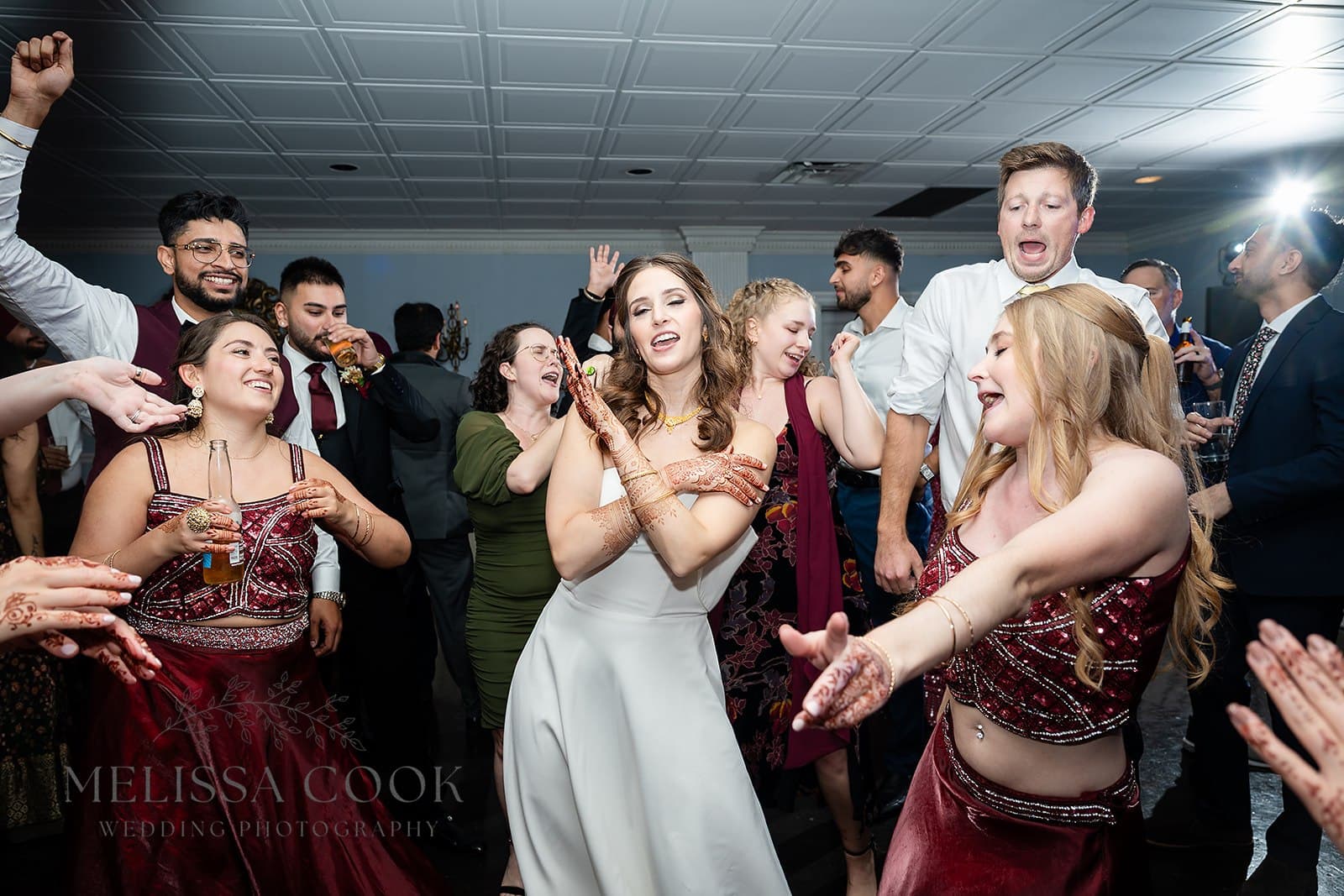
This is the main event — the reason most guests are still at the reception and the segment that defines whether people call your wedding the best they have ever attended. The open dance floor should be treated as a carefully composed arc with a beginning, middle, and climax, not a random shuffle of songs. The DJ builds energy deliberately over 60 to 90 minutes, taking the crowd from warm-up to peak and engineering the emotional high point of the entire wedding.
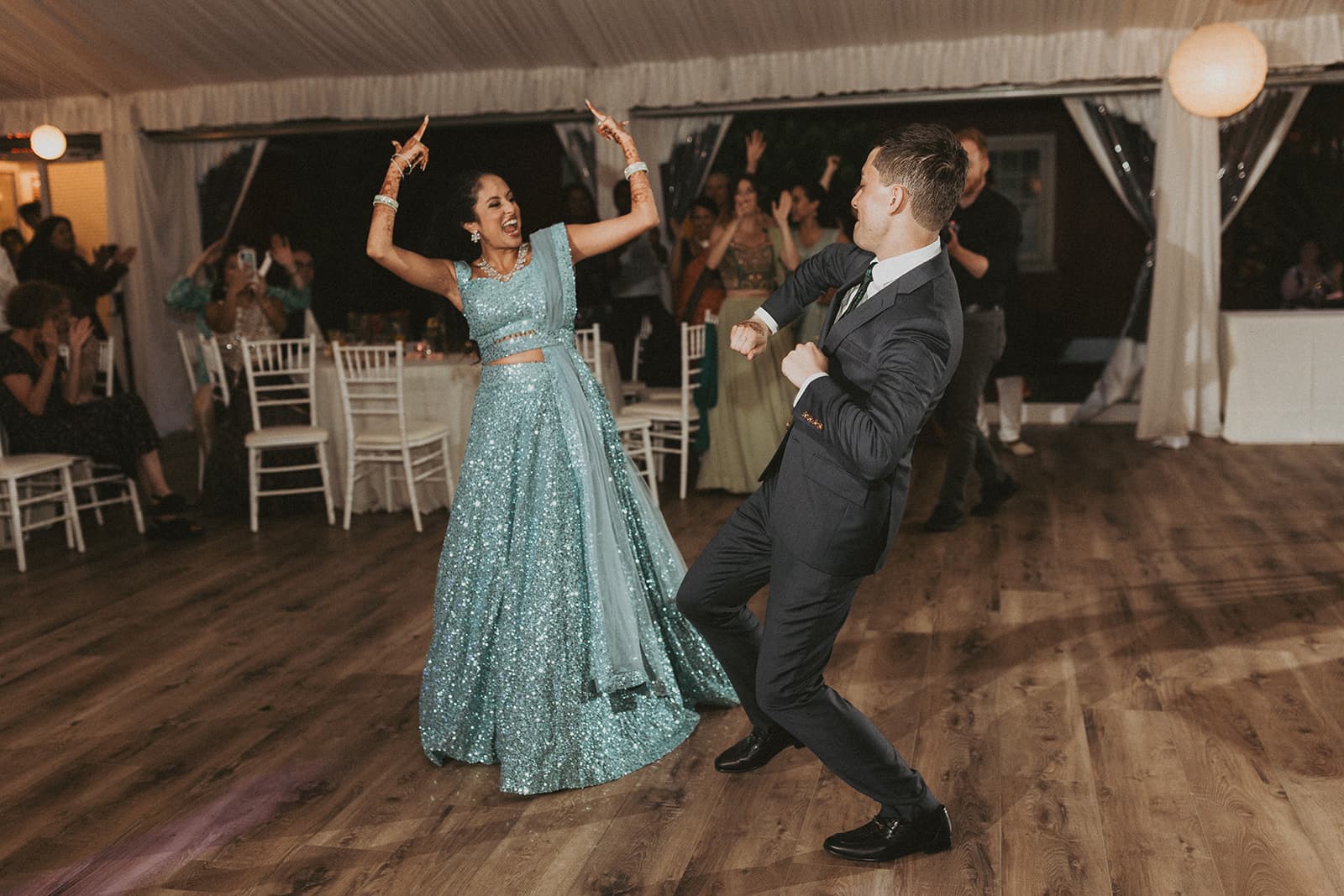
The first 15 to 20 minutes are about drawing people to the floor. Start with universally loved Bollywood anthems — the songs that everyone knows and nobody can resist. These tracks lower the barrier to entry and get the reluctant dancers moving. Once the floor has critical mass, the DJ shifts gears into higher-energy territory: contemporary Bollywood bangers, Punjabi bhangra, and tracks that reward physical energy with bigger beats and more intense drops.
The middle segment mixes genres strategically. Hip-hop, reggaeton, Afrobeats, and EDM all have their place on a desi dance floor, especially when the crowd skews younger. The key is seamless blending — transitioning from a Punjabi track into a hip-hop hit and back into Bollywood without the energy dipping. The final 20 minutes should be the absolute peak: the biggest songs, the loudest moments, and any remaining special effects like CO2 or cold sparks deployed for maximum impact. The last song should be the one that everyone sings along to, the track that sends guests home on the highest possible note.
Genre mixing at Indian wedding receptions requires particular skill. A typical dance floor might include guests who want nothing but Bollywood, guests who only dance to hip-hop, guests who live for bhangra, and guests who want Top 40 pop. Serving all of these audiences without alienating any of them is the hallmark of an exceptional wedding DJ. The ratio shifts based on the crowd — a predominantly Punjabi guest list gets more bhangra, a younger crowd gets more hip-hop and EDM — but the DJ should never play more than three to four songs in any single genre before rotating to something different.
The Key to Success: Momentum Over Perfection
The single most important principle for an Indian wedding reception timeline is momentum. Every segment should flow into the next without dead air, awkward pauses, or energy dips. The grand entrance builds excitement, the first dance channels it into emotion, speeches maintain engagement, dinner provides a comfortable reset, and the dance floor releases everything that has been building all evening. When this arc is executed properly, the reception feels like a continuous, escalating experience rather than a series of disconnected events.
Perfection is the enemy of momentum. If a speech runs slightly long, the DJ adjusts the dance floor set to compensate rather than cutting songs. If the caterer is behind schedule, the DJ extends the cocktail hour seamlessly rather than leaving guests in silence. If the dance floor takes a few extra songs to fill, the DJ works the music rather than panicking. Flexibility and real-time problem solving matter far more than rigid adherence to a minute-by-minute schedule.
The timeline exists to serve the energy, not the other way around. A great DJ uses the timeline as a framework but makes adjustments based on what the room needs in real time. If the dance floor is peaking and guests are showing no signs of slowing down, extending the party by 15 minutes is always the right call. If speeches ran long and energy is flagging, compressing the dinner playlist and getting to the dance floor faster is the move. The couples who have the best receptions are the ones who trust their DJ to read the room and adapt, keeping momentum alive from the first cocktail to the final song.
Ready to Elevate Your Event?
Let DJ Taj Productions bring the energy, expertise, and production value your celebration deserves. Explore our Wedding DJ Packages or Event Enhancements, or browse more articles on the DJ Taj blog.
Get a Free Quote